
How to Choose the Right Crown Molding for Your Home
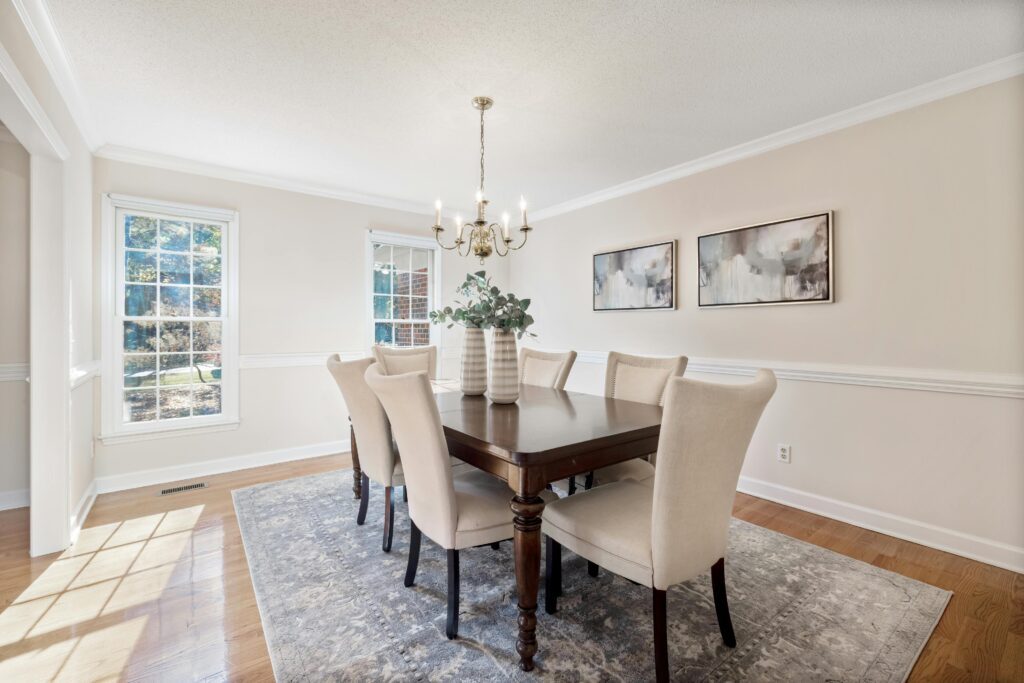
Crown molding is one of those details that can completely change the look and feel of a room when chosen correctly. From ceiling height to architectural style, there are a few key factors homeowners should consider before selecting crown molding for their space.
In this guide, we’ll walk through how to choose crown molding that enhances your home’s design, fits naturally within the space, and adds character without distracting from the overall aesthetic.
Choose Crown Molding Based on Ceiling Height
Ceiling height plays a major role in determining the right size and style of crown molding. Choosing a profile that’s too small or too large can throw off the balance of a room.
As a general guideline:
- 8-foot ceilings typically pair best with simpler, smaller crown molding profiles
- 9–10 foot ceilings allow for medium-sized profiles with added detail
- 10+ foot ceilings can accommodate larger, more decorative molding without feeling overwhelming
While general guidelines can be helpful, every home is different. An experienced crown molding professional can evaluate ceiling height, room proportions, and architectural details to recommend a profile that feels balanced and cohesive. If you’d like to better understand what’s involved, you can learn more about our crown molding installation process.
Choose the Right Crown Molding Material
Crown molding is available in a variety of materials, each with its own benefits.
Common options include:
- Wood – classic and durable, ideal for traditional interiors
- MDF – cost-effective and smooth, well-suited for painted finishes
- Polyurethane – lightweight, moisture-resistant, and versatile
The right material depends on the budget, the room’s conditions, and the overall look you’d like to achieve. Each option offers its own advantages, which is why many homeowners find it helpful to explore how different materials are typically used before making a final decision. If you’re interested in learning more about how crown molding materials are commonly applied in different spaces, this helpful guide provides an overview.
DIY vs. Professional Crown Molding Installation
While crown molding can appear straightforward once installed, achieving clean lines and seamless corners requires careful planning, precise cuts, and an understanding of how molding interacts with a room’s dimensions.
Many homeowners find that working with experienced installers helps ensure the finished result looks polished and intentional. Professional installation allows crown molding to align properly, transition smoothly around corners, and maintain consistency throughout the space — especially when coordinating with other interior trim details.
Ready to Elevate Your Home with Crown Molding?
Choosing the right crown molding doesn’t have to feel complicated. With clear guidance and thoughtful planning, homeowners can move forward confidently knowing their choices will complement the space and feel cohesive once installed.
If you’re considering crown molding for your home, our team is happy to help you explore design options and walk through the installation process so you know exactly what to expect.
In addition to crown molding, we also offer a range of interior trim and finish services that can further enhance your space. We invite you to explore our additional services that complement crown molding and see how thoughtful details can bring a cohesive look to your home.